Catholicism Around the World
Explore the state of Catholicism in every nation — Catholic population data, Church analysis, key challenges, patron saints, and feast days for Catholics worldwide.
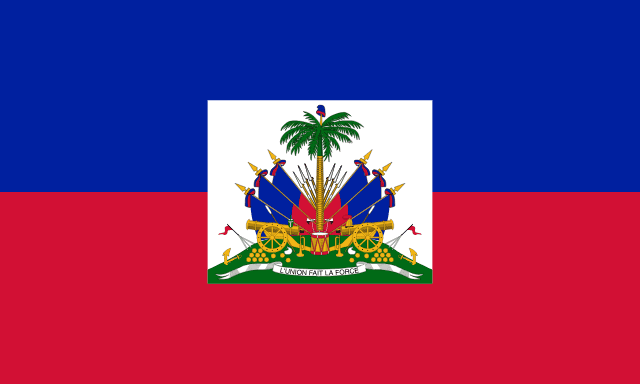
Haiti — the first Black republic in history, born from the only successful slave revolt in the modern world — has a Catholic Church shaped by slavery, revolution, Vodou, poverty, earthquake, and gang violence, serving a people whose faith is as resilient as it is besieged.
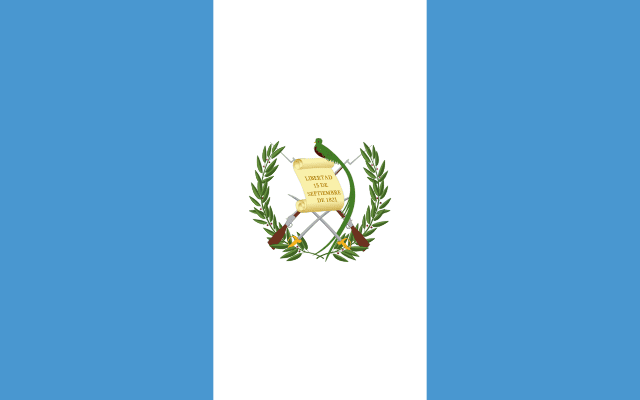
Guatemala's Catholic Church has borne witness to one of the most violent histories in the Americas — the 36-year civil war in which the military murdered 200,000 mostly indigenous Maya people, and in which Bishop Juan Gerardi was assassinated two days after presenting the Church's truth commission report.
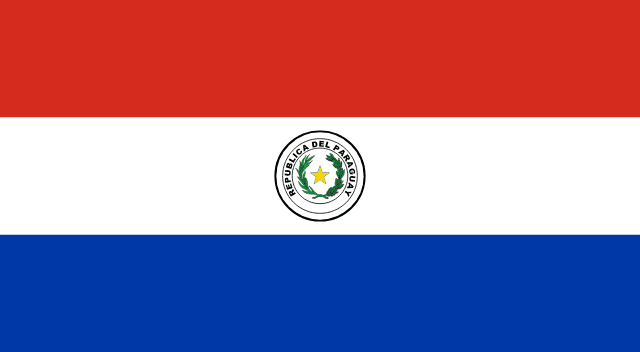
Paraguay's Catholic identity is shaped above all by the Jesuit Reductions — the extraordinary utopian missions that sheltered the Guaraní people and created a flowering of faith, art, and music, before being destroyed by colonial jealousy and greed in 1767.
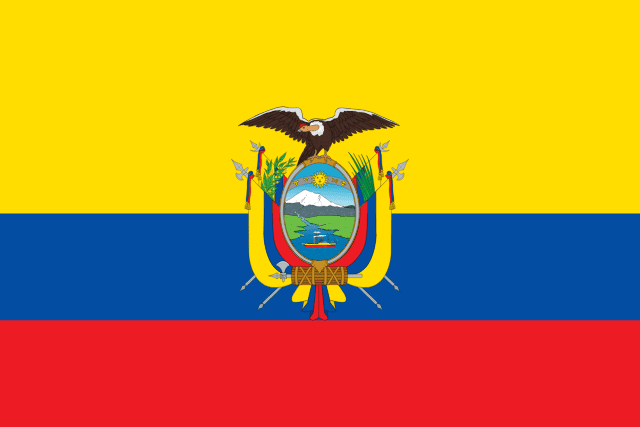
Ecuador's Catholic heritage is embodied in Quito — a UNESCO World Heritage city whose colonial churches, baroque art, and Marian shrines represent the finest synthesis of Spanish and indigenous Catholic culture in the Americas — and in a mountain people whose faith runs as deep as the Andes.
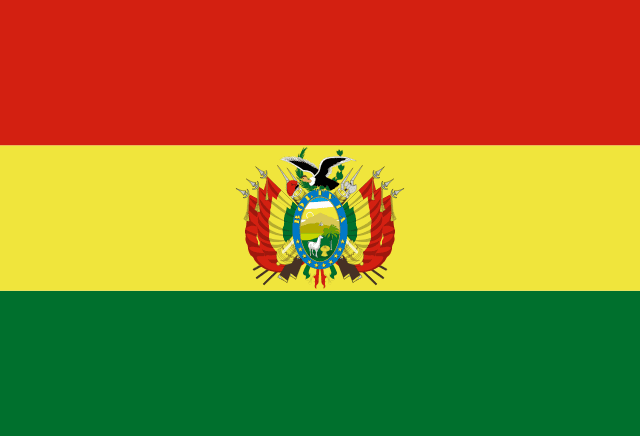
Bolivia's faith is one of the most indigenous-inflected in the Catholic world — where the Virgin of Copacabana, the Andean Pachamama, and Catholic sacramental life have intertwined for five centuries into a popular religiosity that is uniquely Bolivian and deeply rooted in the soil.
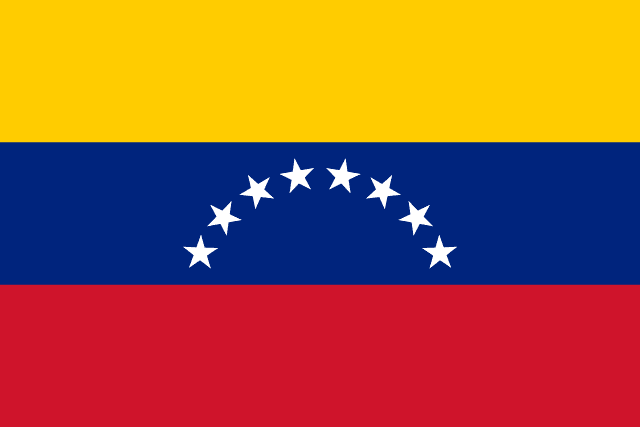
Venezuela's Catholic Church is one of Latin America's most embattled — under decades of Chavista socialism the Church has been the primary opposition voice, its bishops attacked by the government, its faithful fleeing in a mass exodus that has emptied parishes and missions across the country.
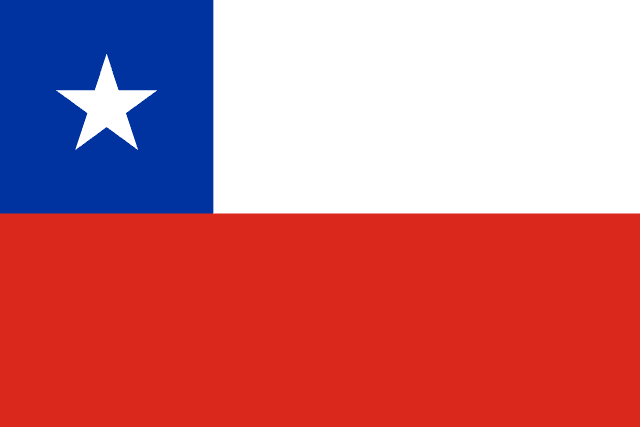
Chile's Catholic Church was once among Latin America's most respected institutions — until a catastrophic clerical abuse crisis and the exposure of the Sodalitium Christianae Vitae and Legionaries of Christ scandals destroyed that credibility, triggering the most severe decline in Catholic identity in the region.
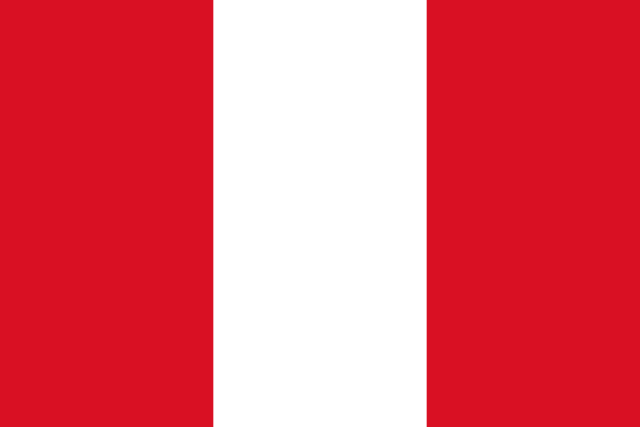
Peru gave the world St. Rose of Lima — the first person born in the Americas to be canonized — and its Catholic identity runs from the Spanish colonial baroque splendor of Cusco and Lima to the deeply indigenous Andean Christianity of the highlands, a synthesis unlike anywhere else on earth.
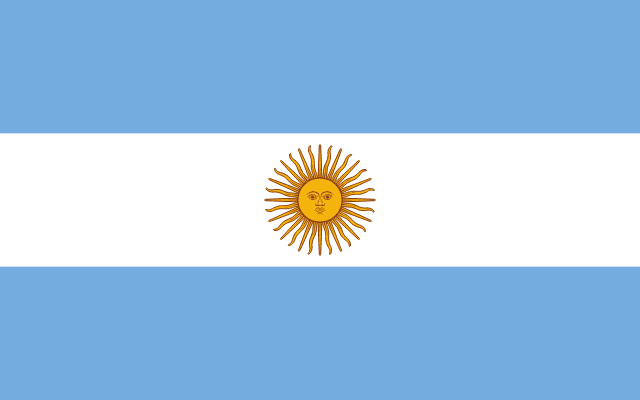
Argentina is the homeland of Pope Francis — the first Latin American and first Jesuit pope in history — and its Church carries a complex legacy of military dictatorship, liberation theology, and a pastoral tradition shaped by Buenos Aires's working-class barrios that defined Jorge Bergoglio's priesthood.
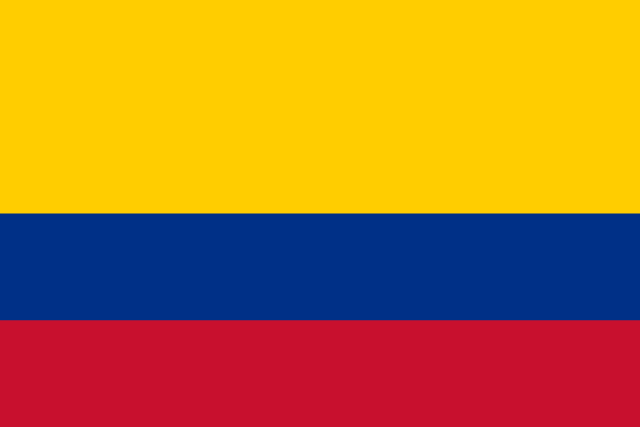
Colombia's 40 million Catholics have built their faith in the shadow of decades of armed conflict — and through it all, the Church has been the most persistent voice for peace, dialogue, and the dignity of victims in one of the Western Hemisphere's longest-running civil wars.
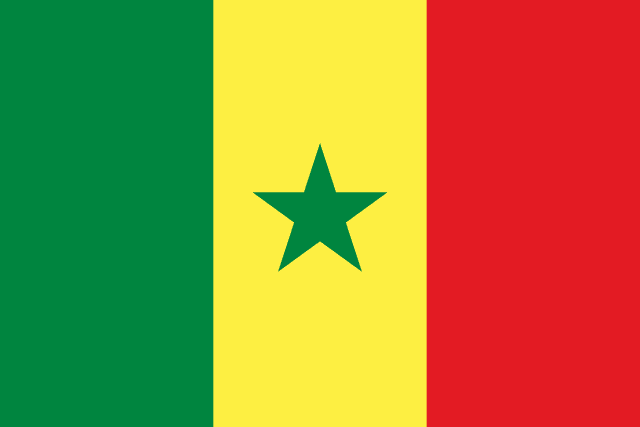
In a nation that is 95% Muslim, Senegal's 300,000 Catholics punch far above their weight — historically dominant in the educated elite, producing heads of state, and practicing a model of Muslim-Catholic coexistence that is studied by interfaith scholars worldwide.
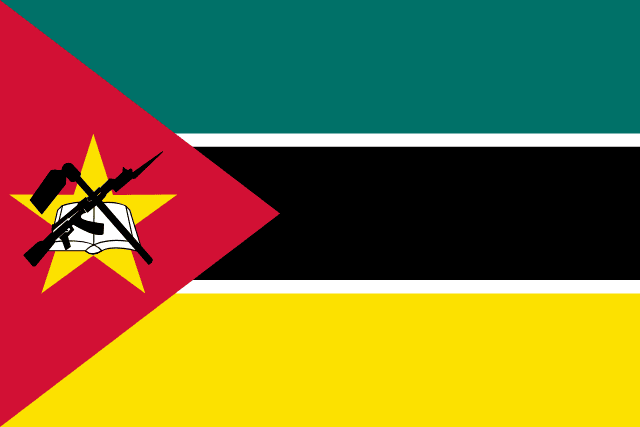
Mozambique's Catholics are rebuilding their Church after a colonial legacy, a brutal civil war, and now an Islamist insurgency in the north — yet the faith is growing rapidly among a young, poor, and resilient population that has found in Catholicism a source of dignity and community.
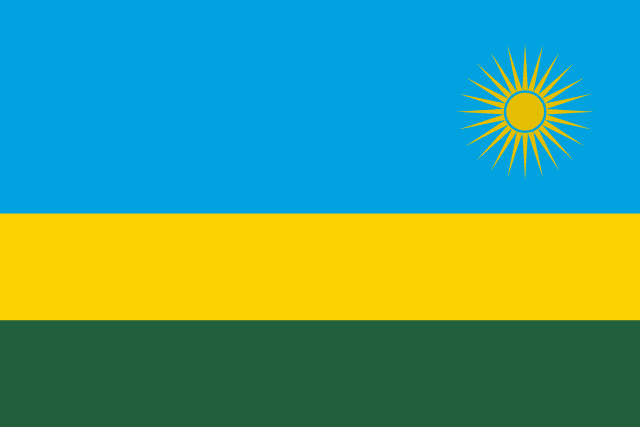
Rwanda was one of Africa's most Catholic nations — until the 1994 genocide, in which over 800,000 people were murdered in 100 days, and in which Catholic churches became killing sites and some clergy participated in mass murder, forcing a devastating reckoning with the faith.
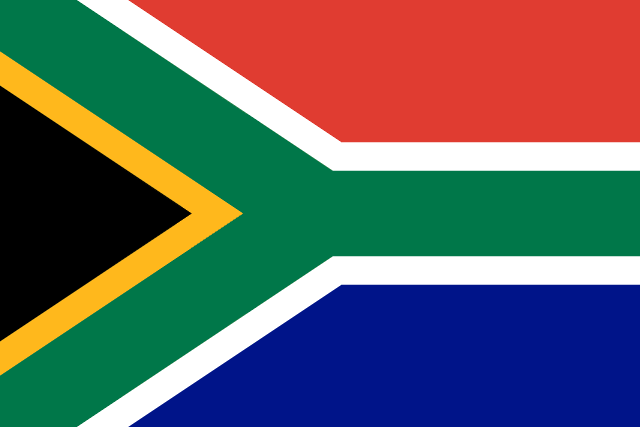
South Africa's Catholic Church played a vital role in the anti-apartheid struggle and remains a prophetic voice on inequality, poverty, and HIV/AIDS — in a nation where the wounds of apartheid have not healed and where the Church's social justice tradition faces new tests.
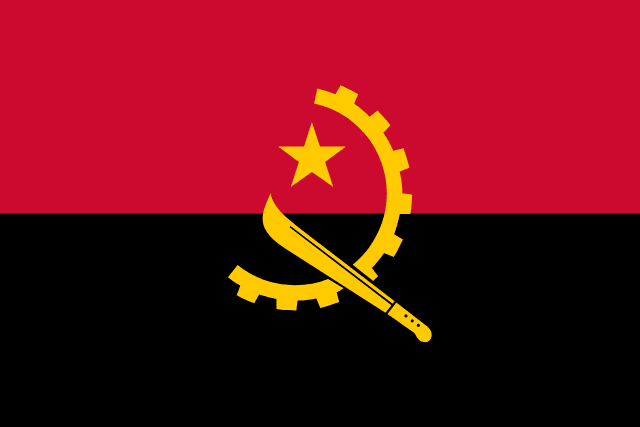
Angola's Catholic Church is one of Africa's oldest — established by Portuguese missionaries in the 15th century — and after 27 years of devastating civil war, it is experiencing a remarkable renewal as one of the fastest-growing Catholic populations on the continent.
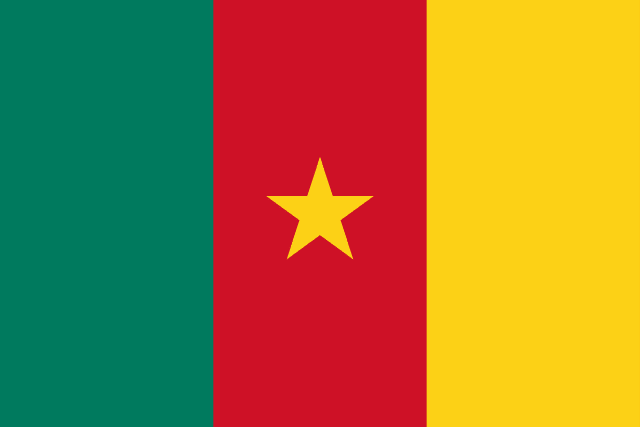
Cameroon's 5 million Catholics live at the crossroads of Francophone and Anglophone Africa, French and German missionary traditions, and a complex political crisis — where the Church has become the primary mediator in the Anglophone separatist conflict threatening to tear the country apart.
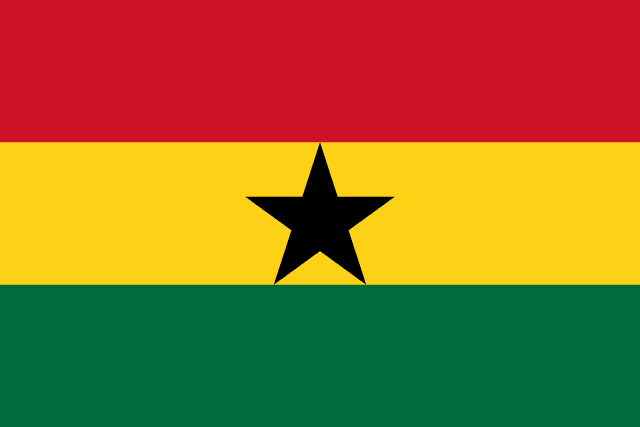
Ghana's Catholic Church is one of West Africa's most educated and institutionally developed — shaped by the Swiss Missionaries of the Society of the Divine Word and the White Fathers, it has produced bishops, cardinals, and an outward-looking faith that is reshaping the global Church.
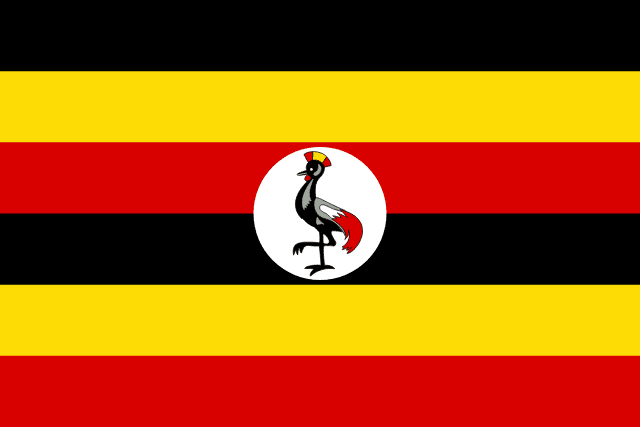
Uganda is home to the Uganda Martyrs — 22 young men killed for their faith in 1886, whose canonization by Pope Paul VI in 1964 was the first for sub-Saharan Africa — and today the Church remains one of the most dynamic and youthful in the world.
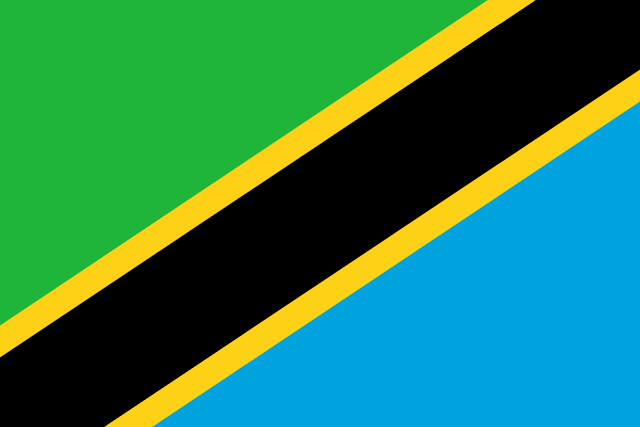
Tanzania's 11 million Catholics represent one of East Africa's most vibrant and growing Church communities — deeply incultured, richly musical, and producing more priests, nuns, and missionaries than almost any other sub-Saharan nation of comparable size.
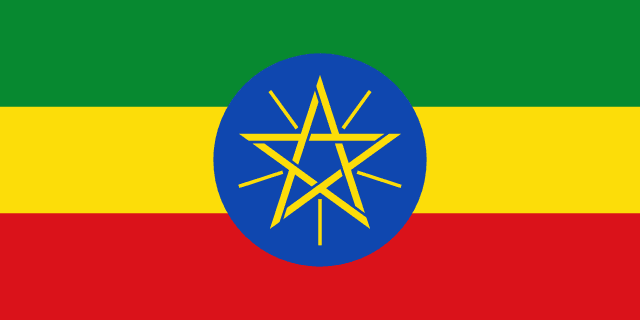
Ethiopia's Catholic Church is a small but ancient community in one of the oldest Christian nations on earth — where the Ethiopian Orthodox tradition predates most of Western Christianity, and where Catholics and Orthodox share a heritage rooted in Apostolic times.
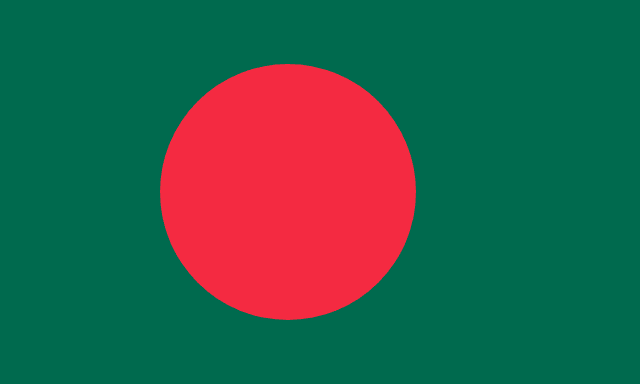
In one of the world's most densely populated and predominantly Muslim nations, Bangladesh's 400,000 Catholics are a small but quietly faithful community — known for the Church's disproportionate contribution to healthcare, education, and humanitarian relief in a country of 170 million.
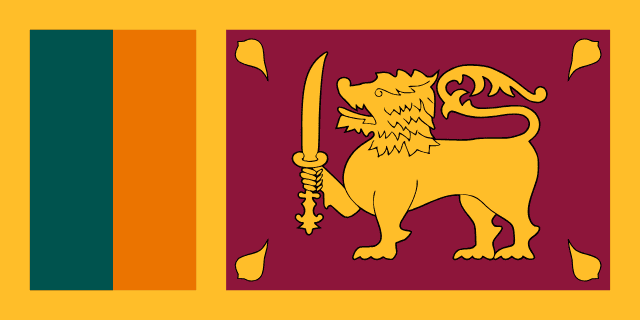
Sri Lanka's 1.3 million Catholics carry a faith that survived the Portuguese, Dutch, and British colonial periods with remarkable continuity — and that was devastated on Easter Sunday 2019, when coordinated ISIS-linked suicide bombings killed 269 people in three Catholic churches and three luxury hotels.
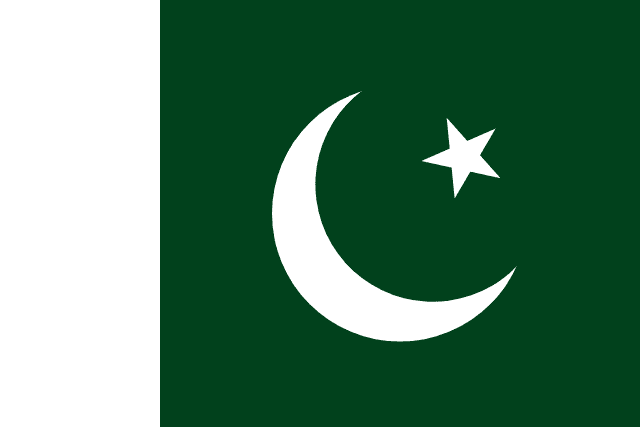
Pakistan's 1.6 million Catholics are among the most vulnerable Christian minorities in the world — subject to blasphemy laws that carry the death penalty, mob violence targeting churches and Christian neighborhoods, and systematic social and economic discrimination in an Islamic republic.
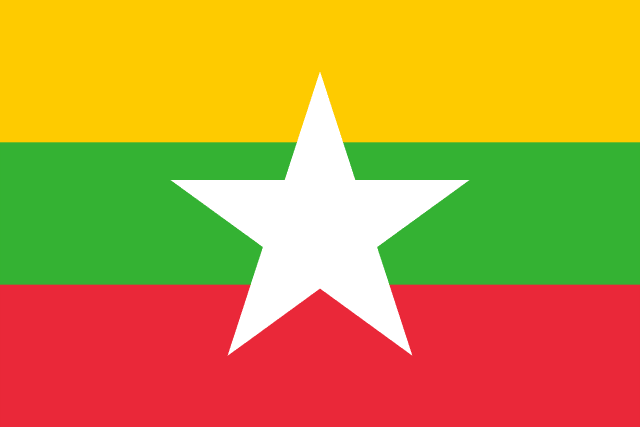
Myanmar's Catholic community — largely concentrated among the Kachin, Karen, and Chin ethnic minorities — is bearing the brunt of the military junta's brutal campaign against ethnic peoples since the 2021 coup, with churches bombed, priests arrested, and entire Christian villages displaced.
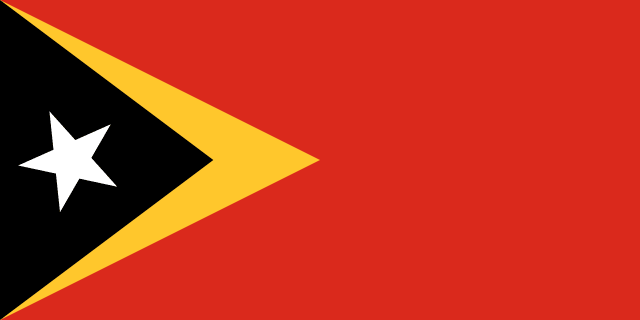
The world's second-newest nation and one of its most Catholic — in Timor-Leste, the Church was the people's only institutional defender during 24 years of brutal Indonesian occupation, and today over 97% of the population is Catholic in a faith that is inseparable from national identity.
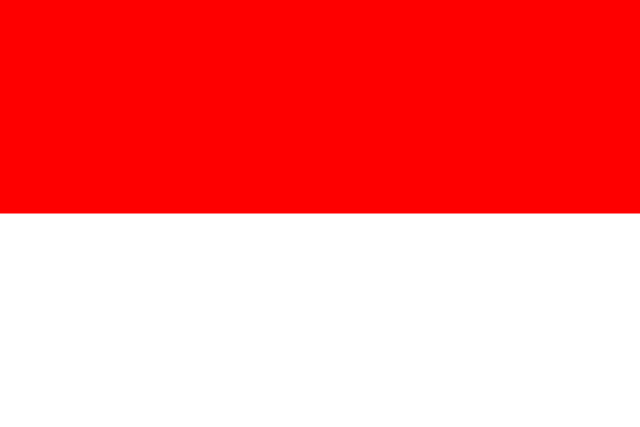
The world's largest Muslim-majority nation is also home to nearly 8 million Catholics — a community shaped by Portuguese colonial mission, the unique Catholic culture of Flores and Timor, and an inter-religious dialogue tradition that is one of the most sophisticated in the world.
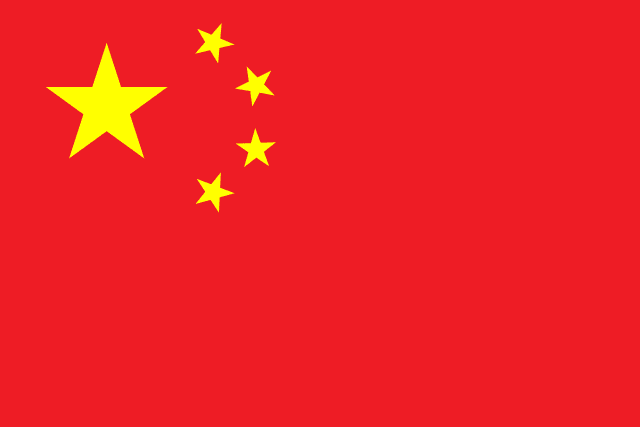
China has approximately 12 million Catholics split between the underground Church in full communion with Rome and the state-controlled Patriotic Association — a division shaped by decades of communist religious policy that a controversial Vatican-China accord has sought, with mixed results, to heal.
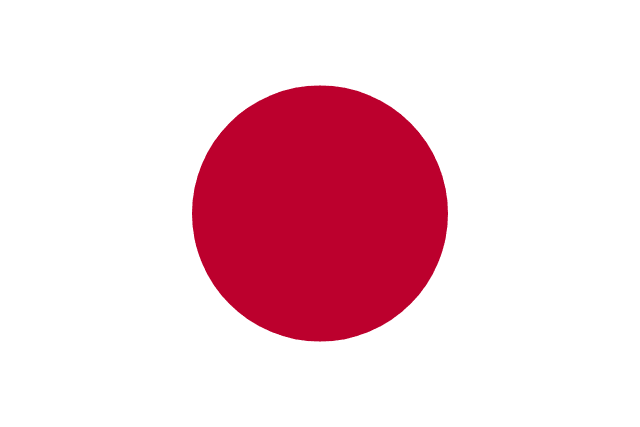
Japan's Catholic history is one of the most dramatic in the world — the Hidden Christians who preserved the faith underground for 250 years without priests, the atomic bombing of Nagasaki's Catholic cathedral, and a contemporary community small in number but deep in spiritual heritage.
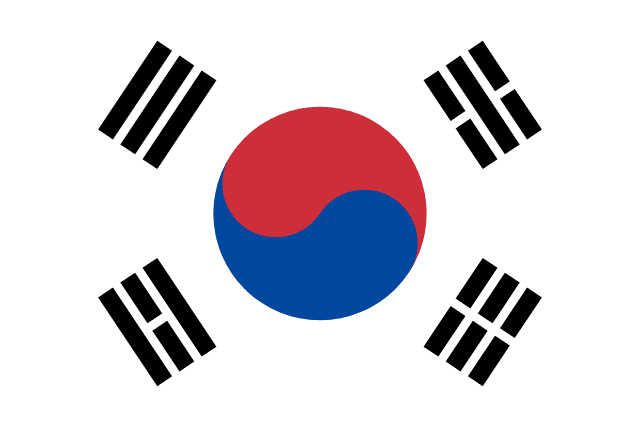
South Korea has one of the most remarkable Catholic growth stories in the world — a Church that evangelized itself from books before missionaries arrived, produced the largest group of martyrs in Asian history, and today attracts the educated urban elite at a rate unmatched anywhere in Asia.
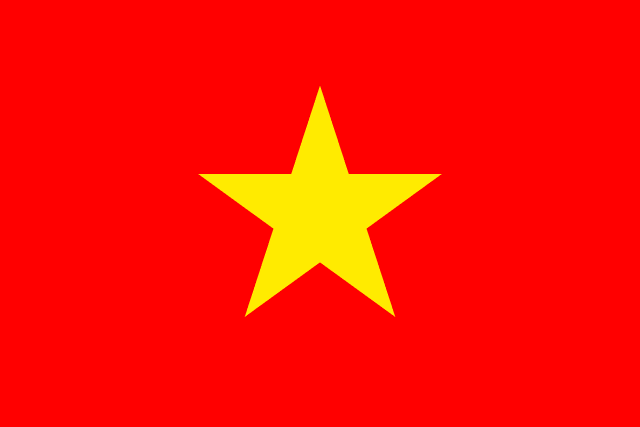
Vietnam's Catholic Church is one of Asia's most resilient — forged through centuries of martyrdom under imperial persecution and communist suppression, yet emerging today as a growing, young, and extraordinarily devout community of nearly 7 million faithful.
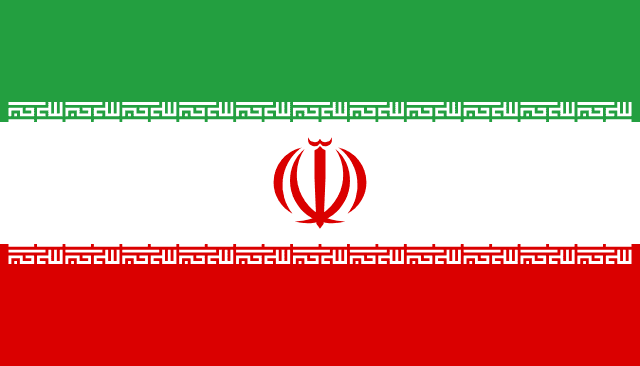
Iran's ancient Chaldean and Armenian Catholic communities trace their presence to the first centuries of Christianity — but under the Islamic Republic, Catholics and all Christians face legal restrictions, surveillance, and the constant threat that a private faith becomes a public crime.
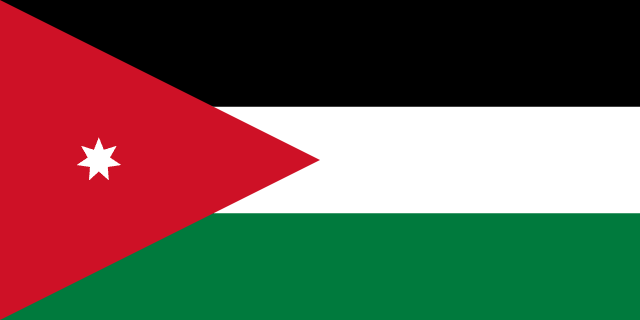
The land of Moses' final view of the Promised Land and the site of Jesus' baptism in the Jordan River, Jordan's small Catholic community has been a refuge for Christians fleeing conflict across the region — quietly faithful in one of the Middle East's more stable and tolerant societies.
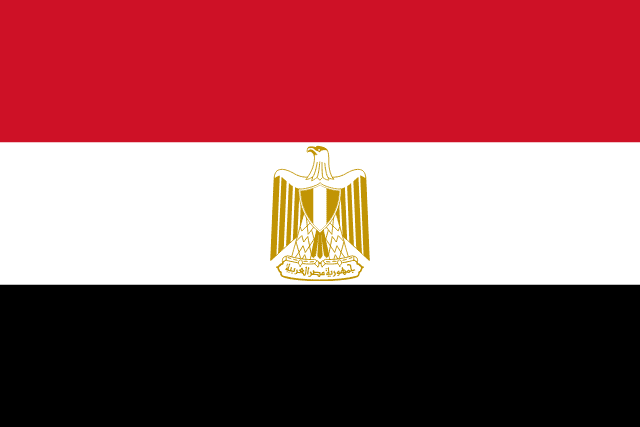
Where the Holy Family fled from Herod, Egypt carries a Christian tradition as old as the faith itself — home to the Coptic Catholic Church and a living community that has endured centuries of Islamic governance and, in recent decades, a cycle of church bombings and targeted violence.
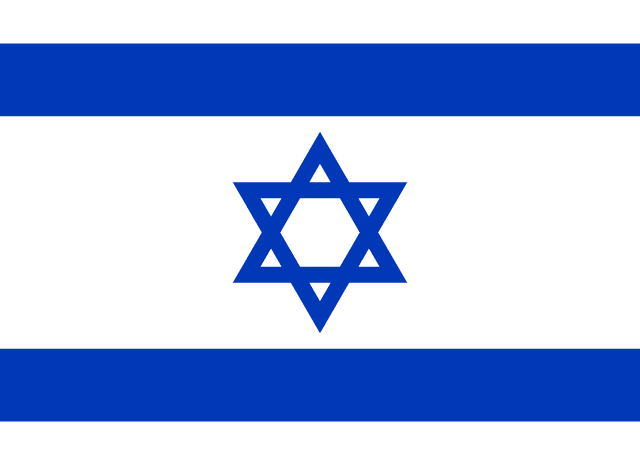
The land where Jesus walked, died, and rose from the dead is under direct assault — Israel has banned Catholic events, bombed Catholic churches in Gaza, and displaced ancient Christian communities, raising urgent questions about the survival of Christianity in the place where it began.
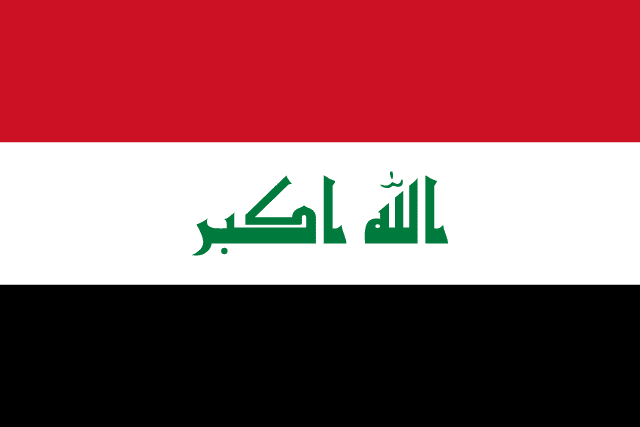
The cradle of civilization is also the cradle of the Chaldean Catholic Church — a community that traces its roots to the Apostle Thomas and has survived twenty centuries of history, but may not survive another generation after ISIS systematically destroyed Christian life in the Nineveh Plains.
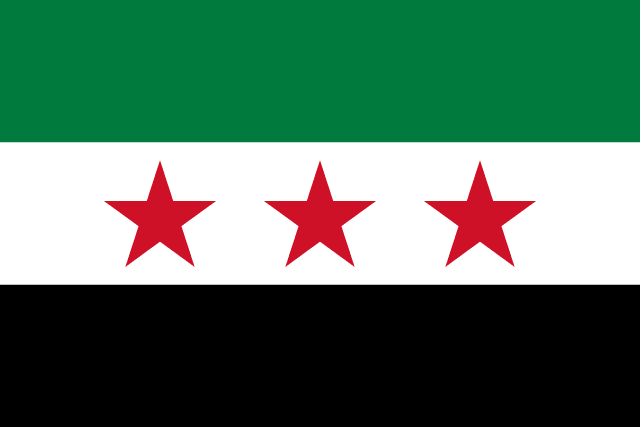
Syria is home to some of the oldest Christian communities on earth — where St. Paul was converted on the road to Damascus and where the disciples were first called Christians at Antioch. Fifteen years of catastrophic civil war have reduced a once-vibrant community to a remnant fighting for survival.
Lebanon is the Arab world's only majority-Christian nation and home to the ancient Maronite Catholic Church — a community that has shaped Lebanese identity, politics, and culture for fifteen centuries, now struggling to survive amid catastrophic economic collapse and mass emigration.
Belgium was the 20th century's greatest Catholic missionary power — its priests and sisters spread across Africa and Asia — yet today the Belgian Church has collapsed more completely than almost any other in Europe, shaken by abuse scandals and radical secularization.

Slovakia is one of Central Europe's most durably Catholic nations — where the faith survived decades of communist suppression through underground Church networks, secret bishops, and an enduring popular devotion that still marks the country's public life.
Home to Jan Hus — the reformer burned at the Council of Constance a century before Luther — the Czech lands have a complex relationship with Catholicism, and today the country registers as one of the least religious nations on earth.
Founded as a Christian kingdom by St. Stephen in the year 1000, Hungary's Catholic identity has survived Mongol invasion, Ottoman occupation, Habsburg domination, and Soviet communism — and today it occupies a uniquely assertive role in European Catholic political debate.
The Habsburg Empire's spiritual heartland — home to Vienna's baroque splendor, Mozart's Masses, and the Mariazell shrine — Austria's Church is now among the most rapidly declining in Europe, hemorrhaging members and confronting a transformative internal reform movement.
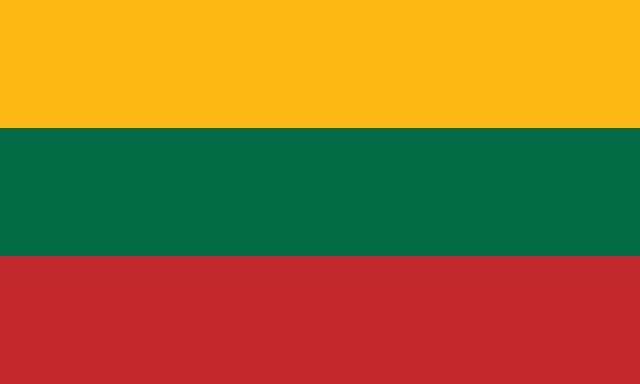
Lithuania was the last pagan country in Europe to be baptized — and one of the most tenacious Catholic nations under Soviet occupation. The Hill of Crosses, where believers replanted crosses as fast as the Soviets bulldozed them, stands as one of the most powerful symbols of faith's persistence in the 20th century.
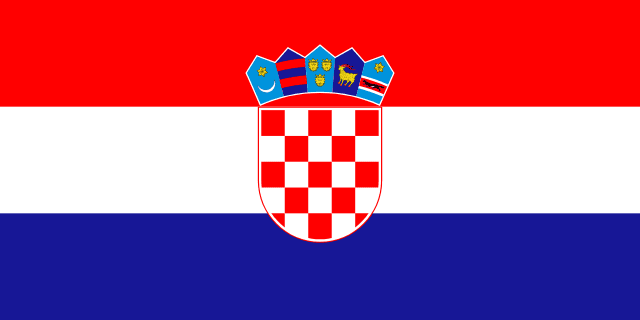
Croatia's Catholic identity is woven into its national story of survival — through centuries of Ottoman pressure, Yugoslav communism, and the 1990s war of independence, the faith has been both a spiritual anchor and a marker of national distinctiveness.
The land of the Reformation is now also the land of a Catholic implosion — Germany's Church faces mass departures, a systemic abuse crisis, and an internal reform movement (Synodaler Weg) that has brought it into open tension with Rome.
The nation of Fátima and the Age of Discovery that carried the faith to five continents, Portugal holds a deeply Marian Catholic identity that — despite growing secularization — remains woven into its language, architecture, and national self-understanding.
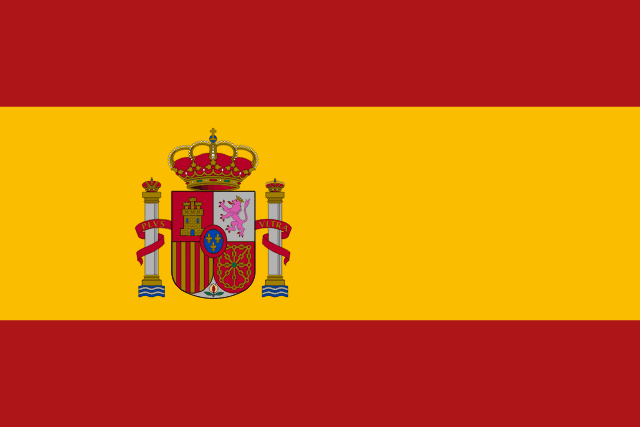
Once the Catholic superpower that evangelized the Americas and launched the Counter-Reformation, Spain's Church now navigates a rapid secularization that has transformed one of history's most Catholic nations within a single generation.
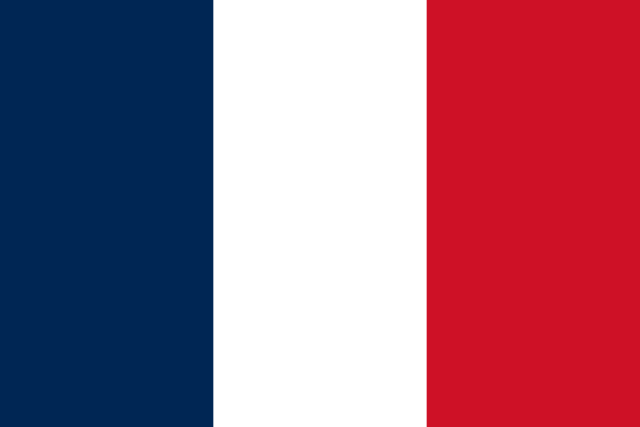
The 'eldest daughter of the Church' — the nation of Lourdes, Chartres, and the Paris Foreign Missions — France is now one of Western Europe's most secular societies, yet its Catholic roots run so deep they still shape the national soul.
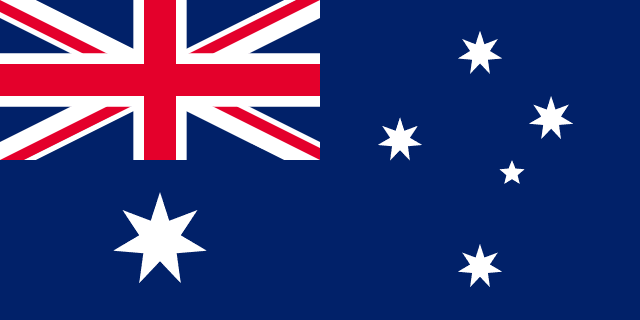
Australia's Church has emerged from the gravest clerical abuse crisis in any English-speaking nation outside Ireland — a reckoning that has reshaped the institution entirely, while a committed remnant of the faithful rebuilds on more honest foundations.
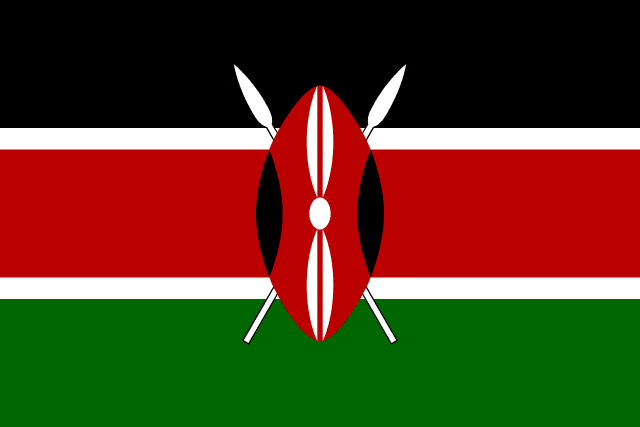
Kenya's Catholic Church is one of the most dynamic on the African continent — growing rapidly, deeply engaged in education and development, and home to a young, fervent Catholic population that is reshaping what African Christianity looks like.
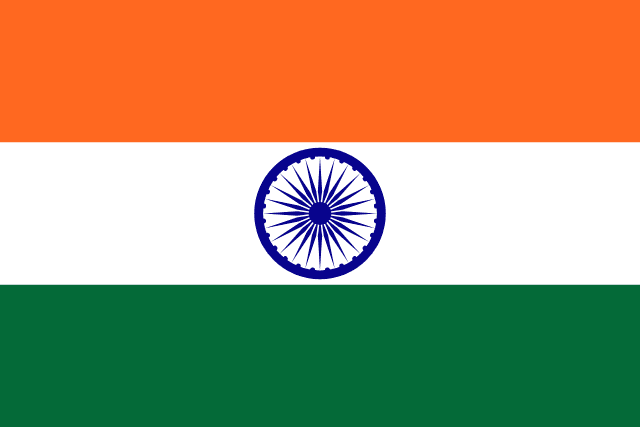
India's 20 million Catholics are a small but ancient minority in the world's most populous nation — tracing their roots to the Apostle Thomas himself and shaped by one of the most diverse, resilient, and intellectually rich Catholic traditions in the world.
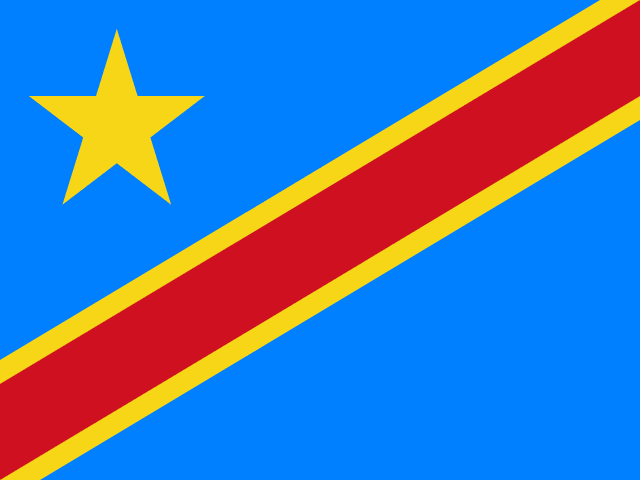
The DRC has the largest Catholic population in Africa, with over 50 million faithful. Despite decades of conflict and poverty, the Church remains the country's most trusted institution and the backbone of its education and healthcare systems.
Once the 'Island of Saints and Scholars' that re-evangelized post-Roman Europe, Ireland's Catholic identity has undergone a dramatic transformation — from near-total institutional dominance to a more personal, questioned faith.
For centuries the faith was Poland's identity and its shield — but a new generation is questioning an institution deeply intertwined with national politics, and the Church faces its most serious crisis of trust since communism.
Where the apparition of Our Lady of Guadalupe transformed a continent's faith in 1531, Mexico remains the spiritual heart of the Catholic Americas — ancient, resilient, and among the most fervently Marian nations on earth.
Nigeria is the beating heart of African Catholicism — with over 30 million Catholics, the fastest-growing Church on the continent, and a faith that is young, exuberant, and deeply rooted in communal life and vibrant liturgy.
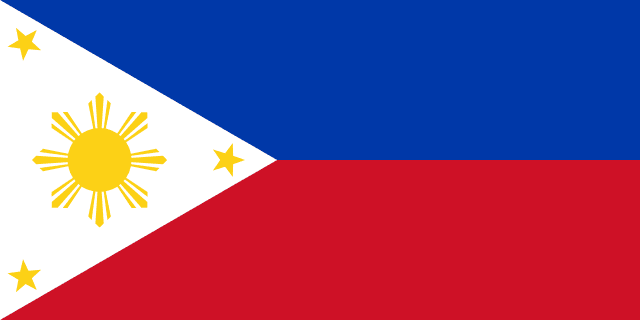
The only predominantly Catholic nation in Asia, the Philippines carries a faith that is passionately Marian, communally expressed, and deeply personal — a 500-year heritage of Spanish evangelization transformed into something uniquely Filipino.
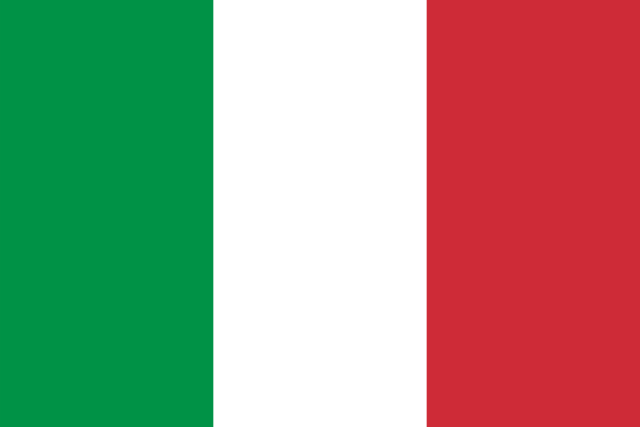
The home of the papacy and the seat of the universal Church, Italy's Catholic identity is woven into every stone of its cities — yet secularization is quietly reshaping a country that has long been synonymous with the faith.

Home to 70 million Catholics, the U.S. Church is the world's largest English-speaking Catholic community — shaped by centuries of immigration, vibrant parish culture, and a tradition of Catholic education and social service.
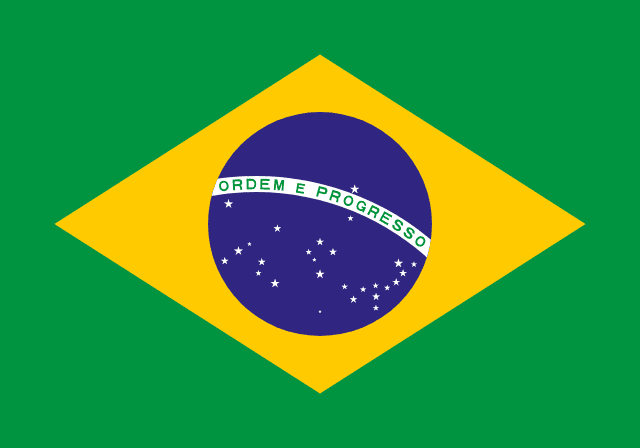
The world's most populous Catholic nation, Brazil's faith is marked by deep Marian devotion, vibrant popular religiosity, and a charismatic renewal movement that draws tens of millions to outdoor Masses and prayer events.
Daily Scripture for Every Catholic, Everywhere
Wherever you were raised in the faith, GlobalCatholic.ai delivers personalized Catholic Scripture to your inbox every morning — grounded in your tradition, your saints, your language of prayer.